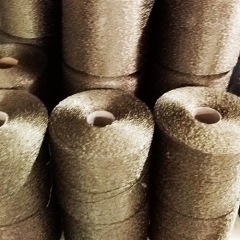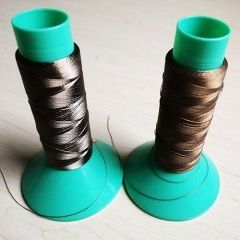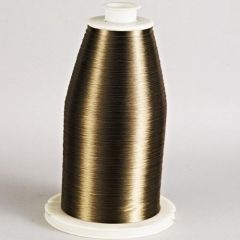
About Texturized Basalt Fiber Yarn
Texturized Basalt Fiber Yarn
- low thermal conductivity, corrosion resistance, high temperature resistance, high air holding capacity, high filtration efficiency, high dust-accommodation and filterability
- An alternative to asbestos and ceramic based yarns
Common application of this texturized basalt yarn is used to weave cloth, tape, braid rope, packing, sleeve, twist rope.
Temperature resistance: 1200 degree F / 648 degree C maintains integrity at temperatures up to 1800 degree F / 982 degree C
Specification: Diameter 9micron/11micron/13micron
Weight:400tex, 600tex, 800tex, 1000tex, 1200tex, 1500tex, 2000tex, 2400tex, 4800tex, 5000tex
Appearance: Plain texturized, Sprial texturized
Packaging:5kg/roll, 10rolls/ctn, 20kg/box
Exceptional Heat ResistanceTexturized Basalt Fiber Yarn is designed to endure temperatures of up to 800C, making it a reliable choice for high-temperature industrial applications. Its structure provides stability under thermal stress, ensuring long-term performance where other fibers might fail. This property makes it particularly suitable for protective textiles and insulation.
Customizable for Your NeedsWith customizable dimensions and thicknesses, this basalt fiber yarn is tailored to meet specific project requirements. Whether you require unique sizes or a particular GSM, manufacturers can adapt the product to optimize performance for your reinforcement or composite needs. This degree of customization ensures optimal integration into various textile applications.
Applications in Industrial Textiles and CompositesOwing to its toughness, low thermal conductivity, and resistance to harsh environments, texturized basalt fiber yarn is favored in textiles used for reinforcement and composites. It is commonly used in sectors ranging from thermal insulation and fire protection clothing to advanced composite materials for construction and automotive industries.
FAQ's of Texturized Basalt Fiber Yarn:
Q: How is texturized basalt fiber yarn produced?
A: Texturized basalt fiber yarn is manufactured by melting natural basalt rocks and extruding the molten material into continuous fibers. These fibers are then texturized through a specialized technique that enhances loft and flexibility, making the yarn ideal for industrial textile applications.
Q: What are the key benefits of using this yarn in textiles?
A: The primary benefits include high resistance to heat (up to 800C), low thermal conductivity, robust mechanical properties, and excellent durability. It is also non-combustible and resists chemical corrosion, making it suitable for demanding environments where safety and longevity are critical.
Q: When and where should texturized basalt fiber yarn be used?
A: This yarn is especially advantageous in environments with high temperatures, such as protective clothing, thermal insulation panels, and fire barriers. It is ideal for reinforcement in composites where traditional materials may degrade under heat or stress.
Q: What industrial processes use texturized basalt fiber yarn?
A: Industries use this yarn in weaving, knitting, and braiding processes to create high-performance textiles, composite structures, and reinforcement materials. Its adaptability and strength make it essential in sectors including automotive, aerospace, construction, and fire safety.
Q: How does the low thermal conductivity of basalt yarn improve safety?
A: Low thermal conductivity means the yarn effectively insulates against heat transfer, providing better thermal protection in clothing and panels. This property is crucial for reducing the risk of heat exposure in hazardous working environments.
Q: Can I order basalt fiber yarn in custom sizes and thicknesses?
A: Yes, the yarn is available in custom dimensions and thicknesses to match the specific requirements of your project. Manufacturers in China offer tailored options to ensure seamless integration into your applications.
Q: What makes basalt fiber superior to glass or carbon fibers in some uses?
A: Basalt fiber offers a higher temperature resistance, outstanding chemical stability, and is often more cost-effective than glass or carbon fibers. Its natural composition and superior insulation properties make it preferable in regions where thermal and fire resistance are paramount.