About 0.43mm Thickness Weave Lock Fiberglass Fabric
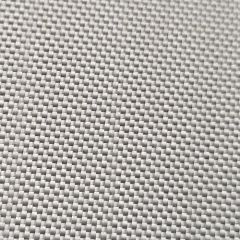
0.43mm Thickness Weave Lock Fiberglass Fabric
Weave lock treatment is impregnating the fiberglass fabric with inorganic (acrylic) or organic(starch) resin together with certain pigment by requirement, which increase the abrasion resistance and vary the stiffness of fiberglass fabric, it improves the anti-fray property of fabric and eliminate irritation to the skin while cutting, sewing and handling the fiberglass fabric.
Properties:
- Service temperature 550 degree C
- Increase the abrasion resistance
- Anti-fray property
Applications:
- Covering materials on rockwool board as decoration
- Welding blanket
- Insulation layers in non metallic expansion joint
- Insulation mattress/jacket cover materials
Our weave lock fiberglass fabric is specifically engineered to increase the stiffness and abrasion resistance of fibreglass materials. The advanced surface treatment ensures the cloth remains durable and sturdy, making it ideal for heavy-duty applications where wear resistance and longevity are paramount.
Safe and Convenient HandlingThe innovative weave lock treatment significantly improves the anti-fray property of the fabric, effectively reducing irritation to the skin during cutting, sewing, and handling. This not only ensures a cleaner working environment, but also minimizes the chance of fabric shedding or discomfort for workers.
Flexible Applications Across IndustriesThe fabric's versatility is evident in its applications-serving as decorative coverings for rockwool boards, insulation materials in jackets or mattresses, and welding blankets. Its white color and customizable width meet diverse project requirements in construction, insulation, and industrial safety.
FAQ's of 0.43mm Thickness Weave Lock Fiberglass Fabric:
Q: How is the weave lock fiberglass fabric treated to enhance its properties?
A: The fabric undergoes a weave lock treatment, which involves impregnating it with inorganic (acrylic) or organic (starch) resin. This process strengthens the fibers, improves abrasion resistance, prevents fraying, and allows the surface to be optionally tinted with specific pigments according to application needs.
Q: What are the main benefits of using weave lock fiberglass fabric?
A: Key benefits include increased abrasion resistance, enhanced stiffness, improved anti-fray performance, and minimized irritation during handling. The treatment ensures the fabric remains intact during cutting and sewing, making it suitable for both industrial and decorative uses.
Q: Where can this fiberglass fabric be applied?
A: This material is commonly used as a covering for rockwool boards, welding blankets, insulation layers in non-metallic expansion joints, and as outer material for insulation mattresses and jackets. Its resilience and flexibility allow for broad application across construction, insulation, and safety equipment sectors.
Q: What width options are available for this fabric?
A: The weave lock fiberglass fabric is offered in widths of 1 meter, 1.2 meters, and 1.5 meters, accommodating various project specifications and installation requirements.
Q: How does the fabric improve workplace safety during handling and installation?
A: By preventing fraying and minimizing fiber shedding, the weave lock treatment reduces skin irritation and mess during cutting, sewing, and handling. This leads to a safer, more comfortable, and efficient working environment.
Q: What is the process involved in manufacturing this fiberglass fabric?
A: The weave lock process includes treating the base fiberglass fabric with chosen resins and pigments as required. The treatment firmly locks the fiber weaves, resulting in a durable, stable fabric ready for industrial applications and further processing.
Q: When should you choose weave lock fiberglass fabric over untreated alternatives?
A: Select weave lock fiberglass fabric when you require superior abrasion resistance, controlled fraying, enhanced processability, and safe handling, especially for applications involving frequent fabric manipulation or exposure to wear.

 English
 Spanish
 French
 German
 Italian
 Chinese (Simplified)
 Japanese
 Korean
 Arabic
 Portuguese
 +8613524603686


 Send Inquiry



 Send Inquiry


 Send Inquiry


