About Non Metallic Expansion Joint
The offered Non-metallic Expansion joint moves in different directions simultaneously; having almost no reactive forces and require little installation space. Its adaptation to existing physical conditions is quick. This can be transported and installed easily. With good dielectric strength and low coefficient of thermal expansion, this joint provides low thermal conductivity and resistance against corrosion. This Non-metallic Expansion joint enables to collect molten metal slag. It is a great substitute of asbestos based textiles. In addition, this is safe against mildew, heat, rot and acids.
Advanced Flexible Solution for Industrial DuctingNon-metallic expansion joints efficiently manage thermal expansion, vibration, and misalignment in ducting systems subject to various temperatures and pressures. Their high flexibility and resistance to chemicals make them ideal for harsh applications in power plants, flue gas ducts, and the cement industry. Each joint is precision-engineered for optimal performance, even in corrosive or high-temperature environments.
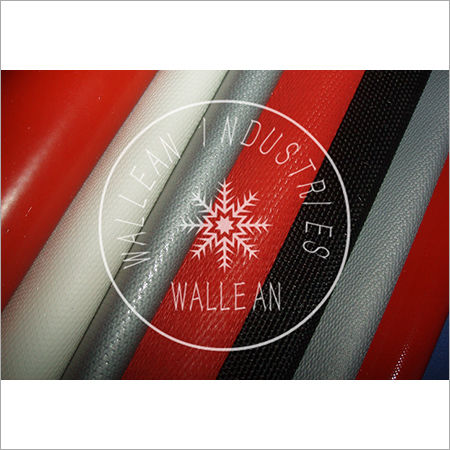
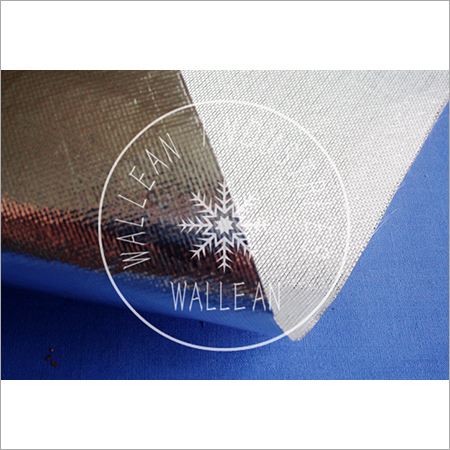
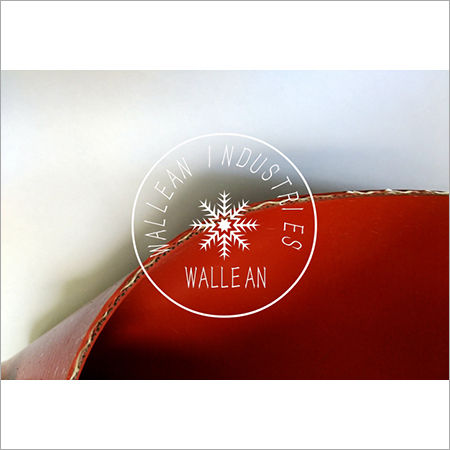
Robust Construction with Versatile Material OptionsConstructed from multi-layered fabric composites, such as PTFE-coated glass fibre, aramid fibers, and silicone rubber, these expansion joints deliver industry-leading resistance to acids, alkalis, and corrosive gases. Reinforced with steel wire mesh or fabric, they ensure structural integrity while maintaining flexibility across a wide range of applications.
Customizable Configurations and Easy InstallationAvailable in various shapesincluding rectangular, circular, and ovaland with options for bolt-on, weld-on, or flanged fittings, these expansion joints can be tailored to specific project requirements. Multiple sealing technologies, widths, and finishes offer further customization, while thoughtful packaging ensures safe delivery to your site.
FAQs of Non Metallic Expansion Joint:
Q: How do non-metallic expansion joints absorb movement in ducting systems?
A: Non-metallic expansion joints are designed to absorb axial, lateral, and angular movements resulting from thermal expansion, vibrations, or mechanical misalignment in ducting systems. Their flexible fabric composite construction allows them to deform appropriately while maintaining a gas-tight and chemical-resistant seal.
Q: What environments and applications are these expansion joints best suited for?
A: These joints are ideal for use in demanding environments such as power plants, cement factories, chemical processing plants, HVAC systems, and flue gas ducts. Their excellent resistance to chemicals, UV, and weathering, as well as high temperature tolerance, make them suitable for acidic, alkaline, or corrosive atmospheres.
Q: When should non-metallic expansion joints be chosen over metallic ones?
A: Non-metallic expansion joints are preferred when there is a need for high flexibility, excellent chemical and UV resistance, and lightweight construction, particularly in systems that experience less pressure but higher temperature variances or corrosive media. Their material combinations also offer superior vibration isolation compared to metal alternatives.
Q: Where can these expansion joints be installed, and what installation methods are available?
A: These joints can be installed in a wide range of ducting systems or piping where movement compensation and airtight sealing are required. Installation options include bolt-on, weld-on, or flanged connections, providing flexibility to match existing system configurations.
Q: What is the benefit of using reinforced fabric or internal steel wire mesh in these expansion joints?
A: Reinforcement with fabric or internal steel wire mesh greatly improves the joints structural stability while retaining flexibility. This ensures that the joint can handle high temperatures, repeated movement cycles, and pressure up to 0.3 bar without compromising its performance or service life.
Q: How do customizable options enhance project suitability for expansion joints?
A: With choices in shape, size, material composition, sealing technology, and finish, these expansion joints can be tailored to specific operational and design needs. Customization ensures compatibility with unique duct layouts, movement requirements, and standard compliance, contributing to both efficiency and reliability.

 English
 Spanish
 French
 German
 Italian
 Chinese (Simplified)
 Japanese
 Korean
 Arabic
 Portuguese
 +8613524603686


 Send Inquiry



 Send Inquiry


 Send Inquiry


