About Insulation Jacket Fabrics
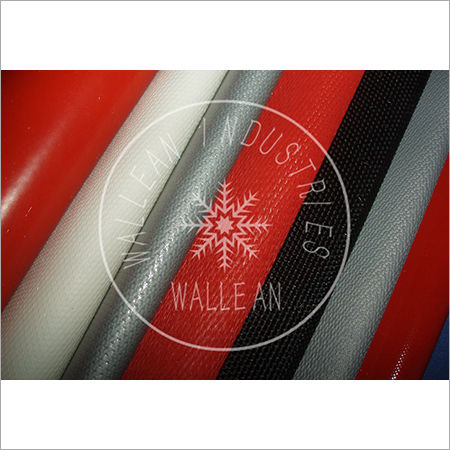
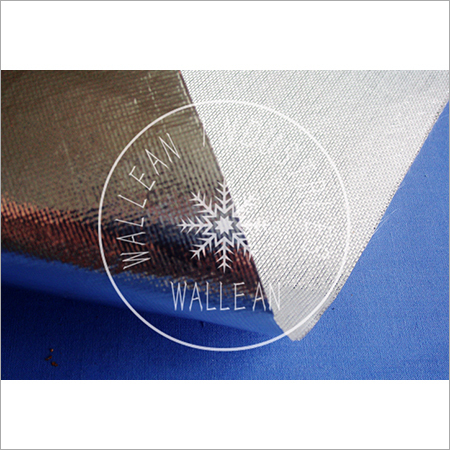
Our Insulation jacket fabric is installed to regulate factors, for example, heat loss or gain on varied industrial process equipment. In addition, the materials utilized for the jacketing are capable to endure the industrial handling as well as thermal exposure observed in each application. This is outlined for the most difficult insulation jacketing usages. Utilizing a proprietary fiberglass and PTFE membrane, this Insulation jacket fabric will facilitate an all-PTFE cover alongside the minimal elongation and stretch of the integrated reinforcement. It is suitable for elevated temperature, chemical and wet environments. The flexibility and texture make it beneficial for the sewing purposes.
Superior Heat ResistanceWith the ability to endure up to 550C of continuous heat exposure, these silicone-coated fabrics are suitable for demanding thermal insulation requirements. Their strong woven fiberglass base ensures that they remain effective in harsh conditions, providing reliable and long-lasting protection against extreme temperatures in industrial settings such as manufacturing plants and energy facilities.
Exceptional Durability and SafetyEngineered with high tensile strength and tear resistance, the fabrics are designed to withstand physical stresses without compromise. Their flame-retardant properties and resistance to a broad range of chemicalsincluding oils, acids, and solventsmake them a safe choice for environments with significant hazards. The eco-friendly and asbestos-free composition further supports workplace health and environmental sustainability.
Flexible Applications and Easy MaintenanceThese fabrics offer versatility in usage, suitable for insulation jackets, pipe covers, thermal blankets, and welding covers. The smooth texture and adaptable width (100150 cm) facilitate easy installation in various scenarios. Maintenance is straightforward, with hand washing or dry cleaning recommended to retain the silicone coating and prolong the fabrics lifespan.
FAQs of Insulation Jacket Fabrics:
Q: How should insulation jacket fabrics with silicone coating be washed to maintain their properties?
A: To preserve the integrity of the silicone coating and the fabrics protective qualities, washing should be done by hand or through professional dry cleaning. Machine washing or harsh detergents are not recommended, as these may damage the silicone layer.
Q: What are the main benefits of using silicone-coated fiberglass fabrics for insulation jackets?
A: These fabrics offer high temperature resistance up to 550C, strong tensile and tear strength, low moisture absorption, flame retardancy, and exceptional resistance to chemicals. They are also long-lasting, eco-friendly, and asbestos-free, making them a reliable and safe solution for various industrial insulation needs.
Q: When should single-sided versus double-sided silicone coatings be chosen?
A: Single-sided silicone coatings are suitable for applications where only one side faces extreme conditions or contact, whereas double-sided coatings provide enhanced protection and durability in environments where both sides may be exposed to heat, moisture, or chemical substances.
Q: Where are these insulation jacket fabrics commonly used?
A: They are primarily utilized in industrial settingssuch as thermal insulation for equipment, pipe coverings, welding blankets, and thermal coversdue to their high resistance to heat and chemicals. Their strong physical properties make them ideal for demanding environments.
Q: What is the process for installing these fabrics onto equipment or pipes?
A: The fabrics are supplied in roll form and can be cut to fit specific dimensions. Installation usually involves wrapping or covering the intended surfaces, securing with appropriate fasteners, and ensuring seamless coverage to maximize insulation efficiency and safety.
Q: How does the fabrics eco-friendly and asbestos-free composition benefit users?
A: Being asbestos-free prevents health risks associated with airborne fibers, while eco-friendly manufacturing processes minimize environmental impact. These qualities contribute to a safer workplace and help companies meet modern environmental compliance standards.
Q: What is the expected shelf life of these insulation fabrics, and how does it impact long-term use?
A: Due to their robust construction, silicone coating, and chemical resistance, these fabrics offer a long shelf life. This durability ensures extended service intervals and reduces replacement frequency, leading to cost savings and reliable long-term protection in insulation applications.

 English
 Spanish
 French
 German
 Italian
 Chinese (Simplified)
 Japanese
 Korean
 Arabic
 Portuguese
 +8613524603686

 Send Inquiry



 Send Inquiry


 Send Inquiry