About Electrical Insulation Fiberglass Fabric
Electrical Insulation Fiberglass Fabric
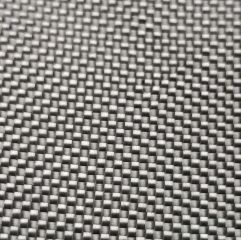
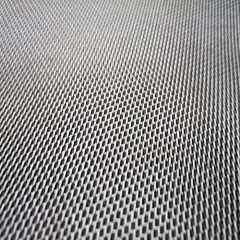
Wallean mainly provide e-glass fabric series. The terminal devices tends to be thin, light, short and small with the progress of science and technology, as the confirmed sustainable development direction, the electronic components are more and more thinner, lighter, shorter and smaller. As an indispensable material for the production of CCL and PCB, e-glass fabrics have tended to be thinner and thinner in recent years. According to the thickness we can divide the e-glass fabric into thick, thin, super thin and extremely thin fabric, contact us for the details.
Superior Electrical Insulation PerformanceManufactured from high-quality E-glass fiberglass with a silicone coating, this fabric provides consistent protection against electrical faults. Its impressive dielectric strength of over 5 kV and minimal moisture absorption make it ideal for high-voltage and critical electrical applications such as transformers, electrical motors, and cable wrapping.
Engineered for Durability and SafetyThis fiberglass fabric is woven for enhanced strength, achieving a breaking strength greater than 600 N/50mm and supporting heavy-duty use. Its flame retardant properties and ability to operate continuously at temperatures up to 550C ensure reliability in demanding industrial environments, while the silicone coating provides added resistance to chemicals and heat.
Versatility and Ease of ApplicationAvailable in white or off-white, the fabric accommodates diverse project requirements with widths ranging from 1 to 3 meters and lengths up to 3000 meters per roll. Its lightweight design (20-200 GSM) enables easy handling and installation for manufacturers, suppliers, and distributors in the electrical industry.
FAQ's of Electrical Insulation Fiberglass Fabric:
Q: How is the Electrical Insulation Fiberglass Fabric typically used in electrical applications?
A: This fabric is designed for insulation purposes in various electrical components, including transformers, electric motors, switchgears, and cable wrapping. Its high dielectric strength and flame retardancy make it especially suitable for environments requiring reliable electrical isolation and safety from thermal and fire hazards.
Q: What benefits does silicone coating provide to the fiberglass fabric?
A: The silicone coating enhances the fabric's resistance to heat, chemicals, and abrasion. It also improves the fabric's moisture repellence and mechanical durability, contributing to its high flame retardancy and extending the service life of insulation in demanding conditions.
Q: Where can this fiberglass insulation fabric be installed or applied?
A: It is versatile and can be installed in various electrical devices and machinery, such as inside transformers, around electric motors, in switchgears, and as a wrapping for electrical cables. The fabric can be cut and fitted according to specific installation requirements.
Q: What is the manufacturing process for this fiberglass fabric?
A: The fabric is woven from E-glass fiberglass threads to achieve the desired strength and flexibility. After weaving, it undergoes a surface treatment with silicone coating, which provides additional thermal and dielectric properties.
Q: When should I choose this fabric over other insulation materials?
A: You should consider this fabric if your application demands consistent dielectric strength, high thermal stability up to 550C, robust mechanical strength, and superior flame resistance, especially in industrial or high-voltage electrical systems.
Q: How does the fabric's low thermal conductivity benefit electrical insulation?
A: With a thermal conductivity of less than 0.035 W/mK, the fabric effectively reduces heat transfer, protecting sensitive electrical components from overheating and contributing to energy efficiency in insulated systems.

 English
 Spanish
 French
 German
 Italian
 Chinese (Simplified)
 Japanese
 Korean
 Arabic
 Portuguese
 +8613524603686


 Send Inquiry



 Send Inquiry


 Send Inquiry


