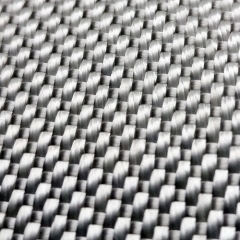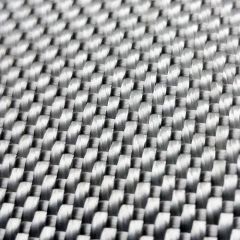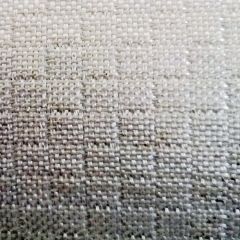
About 3784 Fiberglass Fabric
3784 Fiberglass Fabric
Good rot and mildew resistance and tensile strength
An alternative to asbestos based textiles
A high-performance very high temperature fabric, used in almost all industries for heat protection
Used at 1000 degree F/ 537 degree C continuous, If exposed to high temperature between 600 degree F (315 degree C) to 1000 degree F (537 degree C) for an extended period of time the fabric may become stiff and brittle.
Available with specialty coatings such as Acrylic, Aluminium foil, Dyeing, Heat treatment, Neoprene/Latex, Silicone rubber, PTFE(Teflon), Wire insert, etc.
Applications:
Heat shields, welding curtains, stress relieving, removable insulation covers, fire blankets, fire curtains, expansion joints and flue ducts .
Specification:
1000 degree F / 537 degre C: Filament Fiberglass Fabric
| Part number | US Code | Thickness(mm) | Weight(g/m2) | Width(m) | Length(m) | Weave |
| WFF102 | 7628 | 0.2 | 205 | 1.0-1.27 | 100 | Plain |
| WFF1041 | 3732 | 0.4 | 430 | 1.0-2.0 | 50 | Satin |
| WFF106 | FW600 | 0.6 | 600 | 1.0-2.0 | 50 | D-Plain |
| WFF1062 | 666 | 0.6 | 660 | 1.0-2.0 | 50 | Satin |
| WFF108 | 3784 | 0.8 | 880 | 1.0-2.0 | 50 | Satin |
| WFF113 | 3786 | 1.3 | 1300 | 1.0-2.0 | 50 | Satin |
| WFF117 | 3788 | 1.7 | 1700 | 1.0-2.0 | 50 | Satin |
Versatile Industrial Heat Protection3784 Fiberglass Fabric is trusted across industries for superior heat resistance. Whether it's for heat shields, welding curtains, or expansion joints, its high-performance design ensures reliable protection in demanding environments. Offered in a range of widths and customizable surface treatments, it adapts seamlessly to various requirements.
Customizable Performance and DurabilityThe fabric's multiple specialty coatings-ranging from silicone rubber to PTFE-provide tailored benefits such as improved heat reflection, chemical resistance, or flame retardancy. This versatility helps industries meet specific safety and operational requirements with one robust product.
FAQ's of 3784 Fiberglass Fabric:
Q: How is 3784 Fiberglass Fabric manufactured?
A: This fabric is produced using advanced weaving techniques with filament fiberglass yarns, resulting in a durable material capable of withstanding very high temperatures. Various specialty surface treatments, such as acrylic, aluminum foil, and silicone rubber, are then applied depending on intended use.
Q: What applications is 3784 Fiberglass Fabric best suited for?
A: 3784 Fiberglass Fabric is widely used for heat shields, welding curtains, stress relief operations, removable insulation covers, fire blankets, fire curtains, expansion joints, and flue ducts-essentially, any application requiring effective heat protection in industrial settings.
Q: When should you choose specialty surface treatments for this fabric?
A: Specialty coatings are selected based on specific functional needs: for example, aluminum foil enhances heat reflection, silicone rubber boosts flexibility and chemical resistance, while PTFE (Teflon) provides a non-stick, easy-to-clean surface. Choose coatings according to the environmental demands.
Q: Where can 3784 Fiberglass Fabric be installed?
A: This fabric is applicable nearly anywhere heat protection is needed. Common sites include factories, refineries, welding stations, and power plants, among other industrial or commercial areas where exposure to high temperatures is prevalent.
Q: What are the benefits of using 3784 Fiberglass Fabric in industrial operations?
A: The primary benefits include excellent resistance to heat and fire, enhanced durability, chemical resistance (with specific coatings), and the ability to be custom sized. These qualities provide superior safety and longevity, reducing maintenance and replacement costs.
Q: How should this fabric be deployed for optimal results?
A: It should be cut and installed according to the requirements of the application-whether as a shield, curtain, or cover. Ensuring proper fit and selecting the right surface treatment will maximize protection and efficiency.