About 2mm Thickness Graphite Coated Fiberglass Fabric
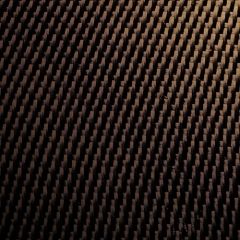
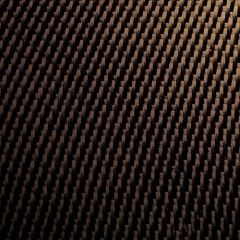
2mm Thickness Graphite Coated Fiberglass Fabric
Graphite coated fiberglass fabric is constructed from a fiberglass base fabric and impregnated or coated both sides with a specially Graphite/Silicone oi, non shedding, lubricating graphite finish that improves resistance to both temperature and abrasion.
Properties:
- Service temperature 850 degree C continuous, 1000 degree C for short periods
- Particularly suitable for use in hot, dry conditions and aggressive environments where flexing may damage untreated fabrics
Applications:
- Welding spark protection blankets/ curtains, plumbers pads,
- Insulation mattress/jacket cover material
- High temperature fabric seals
- Fire protection
The dual graphite-coated surfaces shield against high temperatures and open flames, making this fabric ideal for use as welding spark protection blankets, fire protection covers, and insulation mattress materials. Its unique construction combats both direct heat and mechanical wear, extending the material's service life and reliability in tough industrial scenarios.
Built for Aggressive and High-Heat EnvironmentsWith a 2mm thickness and a heavy 1300 GSM weight, this fiberglass fabric withstands repeated flexing and abrasion in severe conditions. The graphite and silicone oil coating maintains flexibility and surface integrity, ensuring lasting performance even when exposed to aggressive chemicals or frequent handling during installation and operational use.
FAQ's of 2mm Thickness Graphite Coated Fiberglass Fabric:
Q: How is the graphite coating beneficial for the fiberglass fabric?
A: The graphite coating enhances the heat and flame resistance of the fiberglass fabric, providing superior protection against sparks and high temperatures. It also helps maintain the fabric's flexibility and durability in aggressive and dry environments, where untreated fabrics may degrade or be damaged by repeated flexing.
Q: What are the main applications for this 2mm graphite coated fiberglass fabric?
A: This fabric is mainly used for welding spark protection blankets and curtains, plumbers' pads, insulation mattress or jacket covers, high-temperature fabric seals, and fire protection barriers. Its robust construction makes it ideal for industrial environments where heat, flame, and abrasion resistance are essential.
Q: When should I choose graphite coated fiberglass fabric over untreated alternatives?
A: You should select graphite coated fiberglass fabric when the application involves high temperatures, exposure to sparks or flames, or when durability during flexing and handling is important. It provides enhanced resistance to mechanical stresses and environmental factors that would quickly degrade untreated fabrics.
Q: Where can this fabric be used within an industrial facility?
A: It can be used in welding zones, boiler rooms, refineries, power plants, or any area requiring thermal shielding, spark protection, or insulation. Its flexibility and resilience make it versatile for various locations needing heat or flame barriers.
Q: What is the process for manufacturing this graphite coated fiberglass fabric?
A: The fabric is produced by weaving a high-quality fiberglass base, which is then impregnated or coated on both sides with a specially formulated graphite and silicone oil mixture. This dual coating improves its protective qualities and enhances durability for challenging applications.
Q: How does the graphite coating affect the performance of the fabric in hot, dry conditions?
A: The graphite coating helps retain fabric integrity by minimizing brittleness and preventing damage from prolonged heat exposure. It provides a lubricious, protective layer that resists wear from flexing and maintains flexibility even in arid, high-temperature environments.
Q: What are the main benefits of using this fabric as insulation or fire protection material?
A: Key benefits include its ability to withstand high temperatures, resist fire and sparks, and maintain structural strength in harsh conditions. It assures longer-lasting, safer protection for equipment and personnel in industrial settings where conventional fabrics might fail.

 English
 Spanish
 French
 German
 Italian
 Chinese (Simplified)
 Japanese
 Korean
 Arabic
 Portuguese
 +8613524603686


 Send Inquiry




 Send Inquiry


 Send Inquiry


